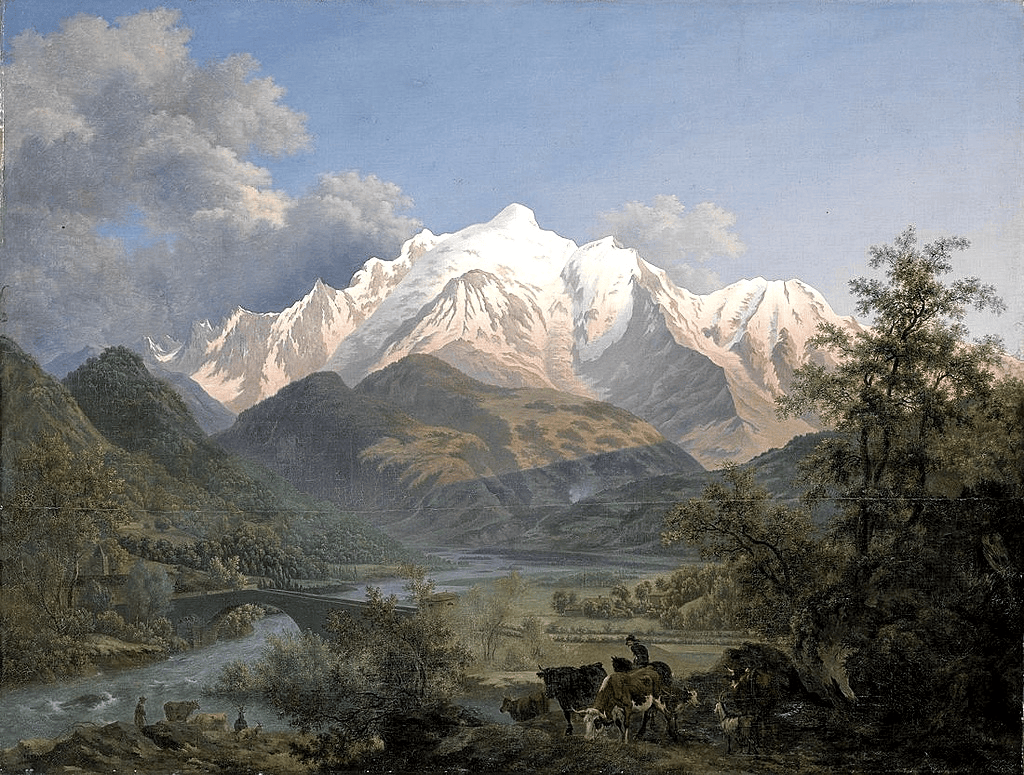
“The works and ways of man, their death and birth,
And that of him and all that his may be;
All things that move and breathe with toil and sound
Are born and die, revolve, subside, and swell.”
Shelley proposes the idea that nature is very much indifferent towards humanity as it is towards any other being that stands in it. “The works and ways” simplify the human act of living that many writers or poets or theologies would attribute grandeur and centrality in nature. He puts these “works and ways” in the same category with anything else that moves and breathes. Human beings are of not more importance to nature than a fly flying around animal feces.
Born, die, revolve, subside, swell: these are the circles and movements of nature. And humans are only one of those “things” that mimic these movements. Born and dead like any other thing, revolve like birds, subside like waters, swell like the earth.
By showing that the place of humanity is insignificant in nature, Shelley confronts the anthropocentric hubris that places humans in the center and above of all creation. The ancient anxiety and insecurity of humanity to find or create its place on earth, in nature, among -and preferably until now, above- things, is looked down upon by him. Rather than soothing the collective imagination of arrogant convention by creating a false status, he ruthlessly exposes the reality of indifference and insignificance.
And I think he finds the idea soothing in itself, I do too.


Bir Cevap Yazın